Why Do I Understand Spanish But Struggle to Speak It?
If you understand Spanish but struggle to speak it, you are definitely not alone. In fact, this is one of the most common frustrations language learners face, especially adults who have spent a long time learning in a classroom, through apps, or by listening and reading on their own.
I know this feeling well. I experienced the same thing myself when I was learning Spanish. For a while, I could understand far more than I could actually say, and it really annoyed the hell out of me, if I am being honest. I knew the words, I recognised the structure, and I could follow conversations — but when it came to speaking, everything seemed to disappear. I felt like a big chunk of my personality was compromised, and I used to find it hard to be "myself" even with less vocabulary or less of a sense of humour.
I often say to my English boyfriend. - You have no idea how witty and funny I am in Hungarian :D And this is so true in any first or second foreign language.

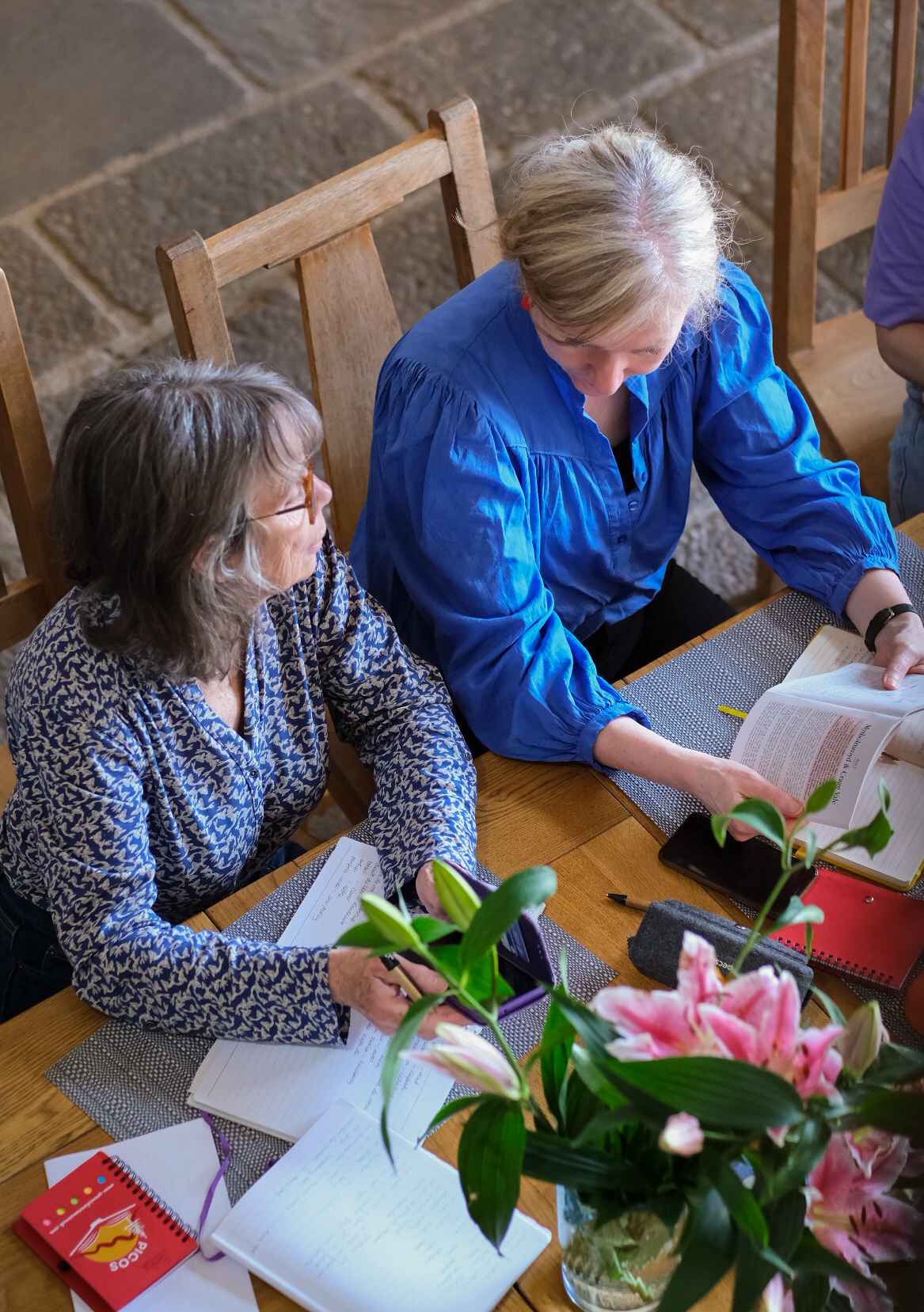
That is one of the reasons I created these retreats. I wanted to offer a different kind of learning experience: one that helps people move from passive understanding to active speaking while connecting with like-minded people and enjoying the city life or the peaceful countryside in the Peak District.
Something unique that has never been done before in the UK - Bringing Spain to your doorstep.
Why this happens
Let's step back a little and let's try to understand the logic behind the gap between Speaking and Understanding.
Basically, passive understanding, slow recall, freezing under pressure, lack of real-life speaking practice.
First of all -> understanding a language and speaking it are two different skills. You can recognise vocabulary and grammar when you hear or read them, but that does not always mean you can recall them quickly in a more spontaneous and real conversation.
This is often where learners feel stuck and hit a plateau. You may know the answer when you see it, but the moment you need to respond in real time, your mind goes blank. That does not mean you are not progressing. It usually means you need more opportunities to practise retrieving words and forming sentences under a little bit of pressure.
What it feels like
For many learners, this gap can feel frustrating and even discouraging. You might feel confident when listening, then suddenly become shy or hesitant the moment someone speaks to you directly. It is not just about confidence — it is also about putting in the effort and not always seeing tangible results straight away.
You may ask yourself:
- "Am I behind if I have been learning for years, yet I still can't speak Spanish properly?"
- "Is it normal? I understand a lot of Spanish when I read or listen, but when it comes to speaking, I always lose confidence and freeze."
I felt that too. For almost two years, I felt like an outsider — it seemed like everyone else was moving faster, speaking more naturally, and somehow already “getting it” while I was still at the listening-to-my-beginner-Spanish-podcast phase.
I am not sure how, but something shifted when I went to Barcelona for a month and fully immersed myself. My brain caught up pretty fast, and what once felt impossible began to feel more achievable and Possible. My confidence finally started to grow with the ability to express myself and feel more at home in my "Spanish self".
That is why immersion can be so powerful. It gives your brain repeated chances to connect what you already know with the words you need to use in the moment. For me, this is an unparalleled method to bring your fluency to the next level and see and feel proper, tangible results.
“How do I start speaking more confidently?”
Immersion creates the kind of environment where Spanish stops being just something you recognise and starts becoming something you use. Instead of translating everything in your head, you begin to react more naturally.
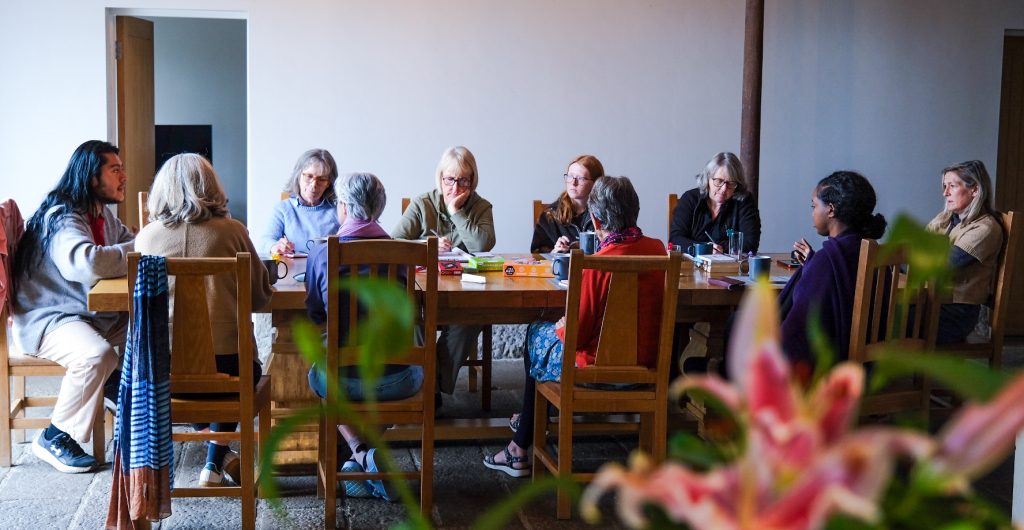
That is exactly what these retreats are designed to encourage. By stepping away from English and using Spanish without interruption or distractions of our daily life and tasks. This is a space where you give yourself the chance to practise speaking without overthinking every sentence and being in a state of fear of making mistakes or being too slow to respond.
And often, that is when confidence starts to grow. Not because you suddenly become perfect, but because you realise you can actually communicate more than you thought, and even though your conjugation or the tense you used wasn't perfect, everybody understood you and the world didn't stop spinning. All good :) We just move forward to the next sentence, and eventually your brain will make sense of everything with time.
Next Steps
Many people wait until they feel “ready” to speak more, but that moment usually never arrives. You do not need to be fluent at all before you start practising more actively or signing up for any of the Urban Retreats or the Residential Retreats.
In fact, if you already understand a good amount of Spanish, you may be much closer than you think. What you need now is a space and structure that help you bring that knowledge to the surface and use it with more confidence.
That is what makes immersive learning so effective for upper-beginners and improvers. It meets you where you are and gently pushes you forward.
Final thoughts
If you understand Spanish but struggle to speak it, it does not mean you are behind. It means you are in that in-between stage where your knowledge is ready to become active.
I have been there myself, and I know how frustrating it can feel. But I also know that with the right kind of immersion, that gap can start to close more quickly than you expect.
That is the thinking behind these retreats: to give learners a supportive place to move from understanding Spanish to actually using it with ease and confidence in any spontaneous and real-life scenarios.
Lucky U - I have added new Immersive Experiences in more cities now :)
CHECK THEM OUT HERE